
Eye Health Revolution: Nutrient Power
Discover how essential nutrients work together to protect your vision, strengthen eye tissues, and maintain healthy sight throughout your life. Science-backed insights from the Goklina editorial team.
Antioxidant Protection
Powerful nutrients neutralize harmful free radicals that damage eye cells and accelerate vision decline.
Retinal Strength
Key compounds support the delicate structures of your retina, enhancing visual clarity and color perception.
Light Filter Enhancement
Nutrients build natural blue-light filters in your eyes, reducing strain from digital screens and UV exposure.
Vascular Support
Improved blood flow to eye tissues ensures optimal oxygen and nutrient delivery for long-term vision wellness.
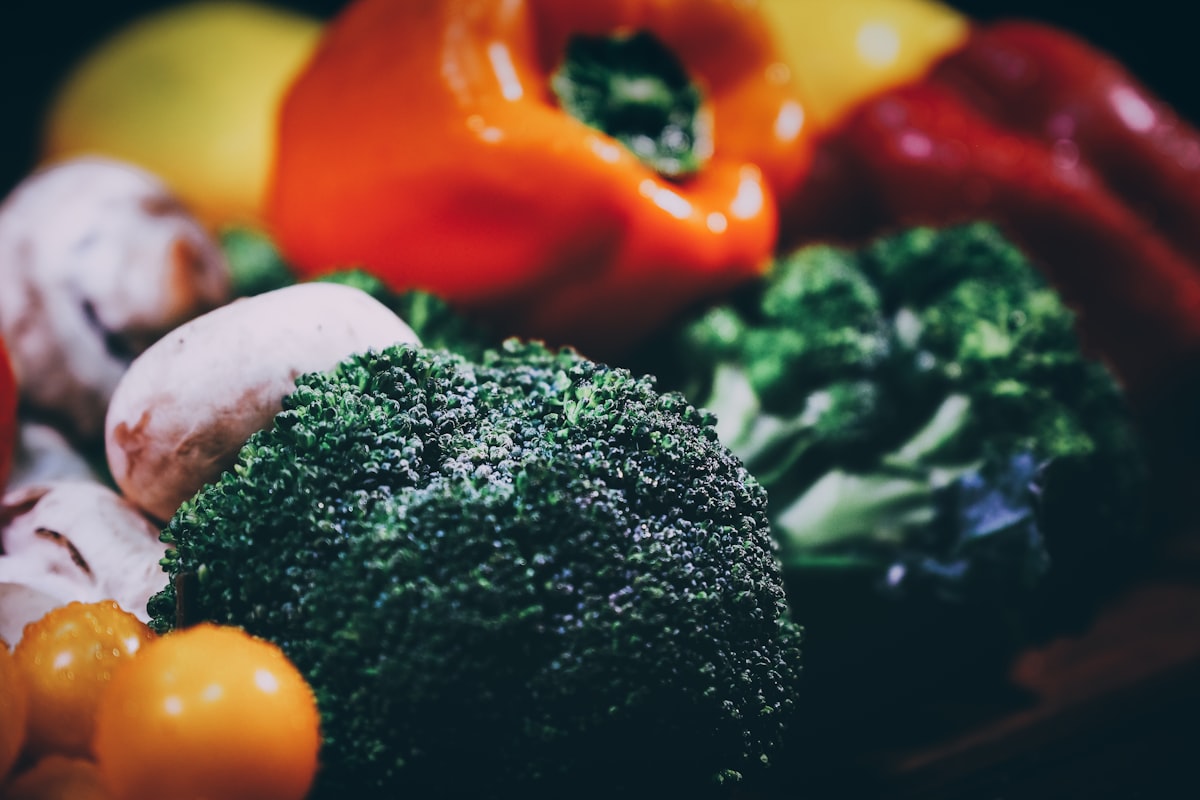
The information on this site is for educational purposes only and does not constitute medical advice. Always consult a qualified healthcare professional before making health decisions.
How Nutrients Protect Your Vision
A step-by-step look at how specific nutrients work within your eyes to maintain clarity, prevent deterioration, and support overall eye wellness.
Absorption
Nutrients from food are broken down in your digestive system and absorbed into the bloodstream, ready to reach every eye tissue.
Circulation
Blood vessels surrounding your eyes transport these protective compounds directly to the retina, macula, and lens tissues.
Integration
Nutrients embed themselves into eye cell membranes, becoming part of your eye's natural protective barrier system.
Protection
Over time, accumulated protective nutrients reduce oxidative stress, maintain cellular integrity, and slow age-related vision changes.
Key Protective Nutrients
Essential compounds that form the foundation of natural eye protection and visual wellness.
Lutein & Zeaxanthin
Carotenoid pigments that accumulate in the macula, forming a natural sunscreen filter. They absorb harmful blue light and reduce glare sensitivity, supporting sharp central vision and color recognition even in bright conditions.
Found in: leafy greens, kale, spinach, broccoli
Anthocyanins
Powerful flavonoid antioxidants with anti-inflammatory properties. They strengthen blood vessel walls around the eyes, improve circulation, and protect photoreceptor cells from oxidative damage and UV stress.
Found in: blueberries, bilberries, blackcurrants, acai berries
Omega-3 Fatty Acids
Essential structural components of retinal cell membranes. Omega-3s reduce dry eye symptoms, support synaptic function in the visual cortex, and enhance signal transmission from eye to brain for improved visual processing.
Found in: fatty fish, flaxseeds, walnuts, chia seeds
Vitamin A (Retinol)
The fundamental building block of rhodopsin, the pigment that enables night vision and low-light sight. Vitamin A supports corneal health, tear production, and cellular regeneration throughout all eye tissues.
Found in: carrots, sweet potatoes, liver, eggs, orange vegetables
Vitamin E (Tocopherol)
A potent fat-soluble antioxidant that protects cell membranes from lipid peroxidation. Works synergistically with vitamin C and selenium to neutralize free radicals and slow degenerative eye changes associated with aging.
Found in: almonds, sunflower seeds, olive oil, avocado
Zinc & Selenium
Trace minerals essential for antioxidant enzyme function. Zinc supports retinal health and night vision, while selenium activates protective enzymes. Together they maintain the blood-retinal barrier and prevent cellular damage.
Found in: oysters, beef, pumpkin seeds, Brazil nuts
Nutrient Synergy for Maximum Eye Protection
The most effective approach to eye nutrition isn't about isolated nutrients—it's about how they work together. When lutein teams with zeaxanthin, vitamin E amplifies the antioxidant power of vitamin C, and omega-3s enhance the absorption of fat-soluble nutrients.
This synergistic effect means that a diet rich in diverse nutrient sources provides exponentially greater protection than any single supplement. The body recognizes these natural combinations and utilizes them with maximum efficiency.
At Goklina, we believe in educating readers about the science of nutritional synergy—how whole foods and balanced nutrient profiles create the best foundation for lifelong eye wellness.
Read More Articles
Eye Health Impact: By The Numbers
Understanding the scope of eye wellness through research-backed insights.
Nutrient Intake & Vision Clarity
Research indicates that individuals consuming adequate levels of lutein and zeaxanthin show measurably better contrast sensitivity and reduced blue-light glare compared to those with insufficient intake. The cumulative effect strengthens over months of consistent nutrient consumption.
Source: Multiple peer-reviewed nutritional ophthalmology studies
Antioxidant Protection Over Time
A diet rich in antioxidant nutrients has been shown to reduce oxidative stress markers in eye tissues significantly. Consistent consumption of anthocyanin-rich foods and omega-3 sources correlates with maintained visual function across age groups.
Source: Longitudinal nutritional epidemiology research
Nutrient-Rich Food Sources
Explore the best natural sources for eye-protective nutrients. These foods deliver multiple beneficial compounds in every serving.
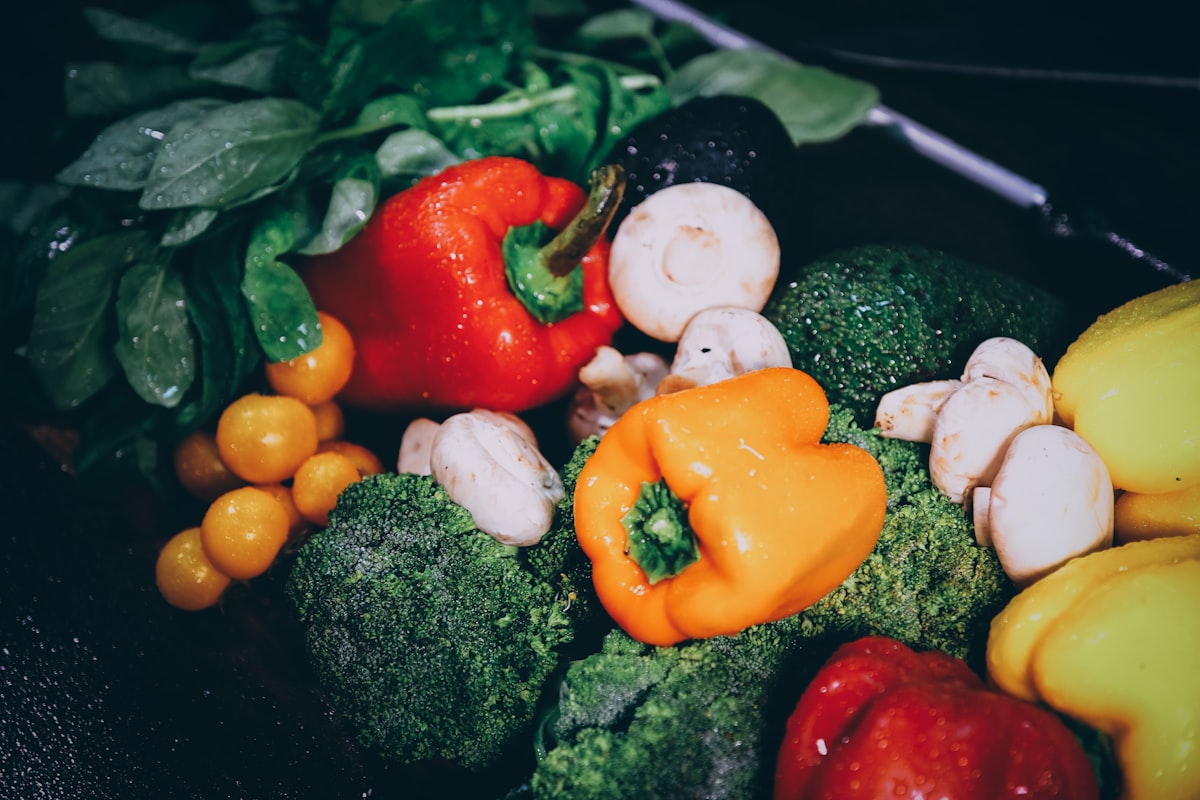
Dark Leafy Greens
Kale, spinach, collards, and romaine are nutritional powerhouses containing exceptional levels of lutein and zeaxanthin—the primary compounds that protect your macula from light damage and age-related degeneration.
Lutein • Zeaxanthin • Vitamin K • Folate

Antioxidant-Rich Berries
Blueberries, blackcurrants, and bilberries deliver concentrated anthocyanins—potent antioxidants that reduce inflammation, strengthen blood vessels around the eyes, and improve night vision and visual clarity.
Anthocyanins • Vitamin C • Resveratrol
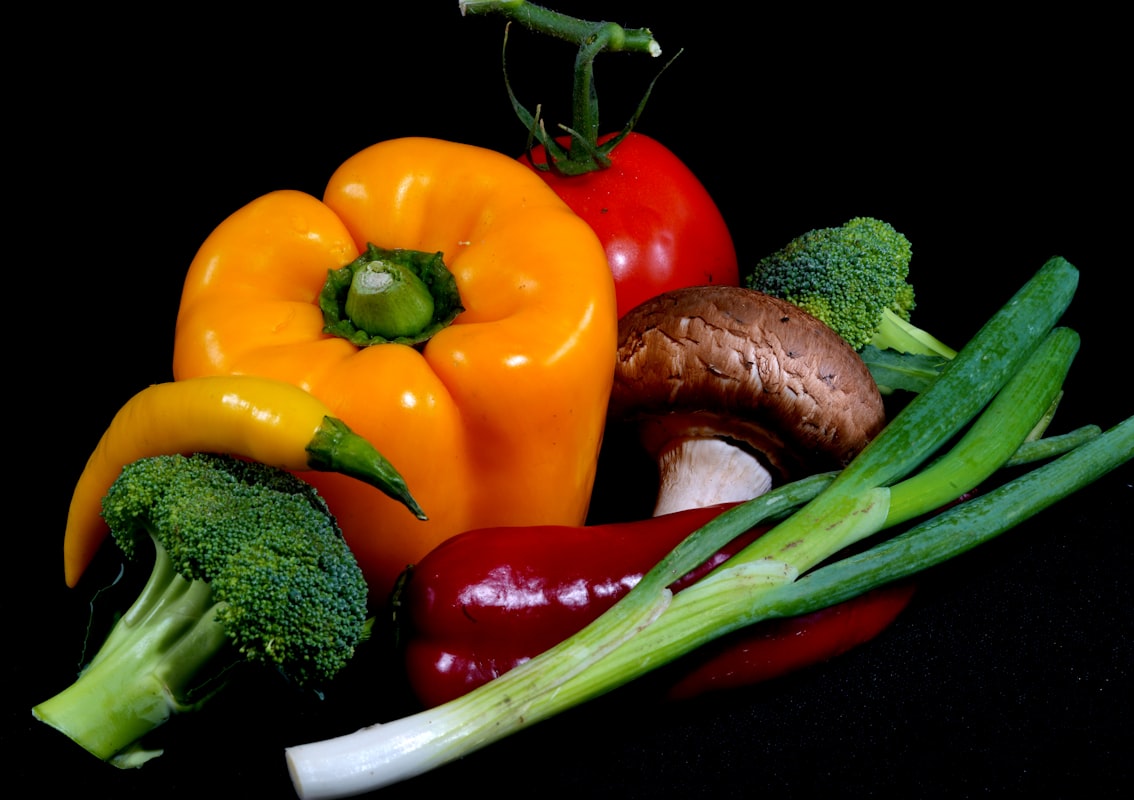
Fatty Fish & Seafood
Salmon, mackerel, sardines, and oysters provide exceptional omega-3 fatty acids and zinc—essential for retinal structure, tear film stability, and the neural pathways that transmit visual information from eye to brain.
Omega-3 • Zinc • Selenium • Vitamin D
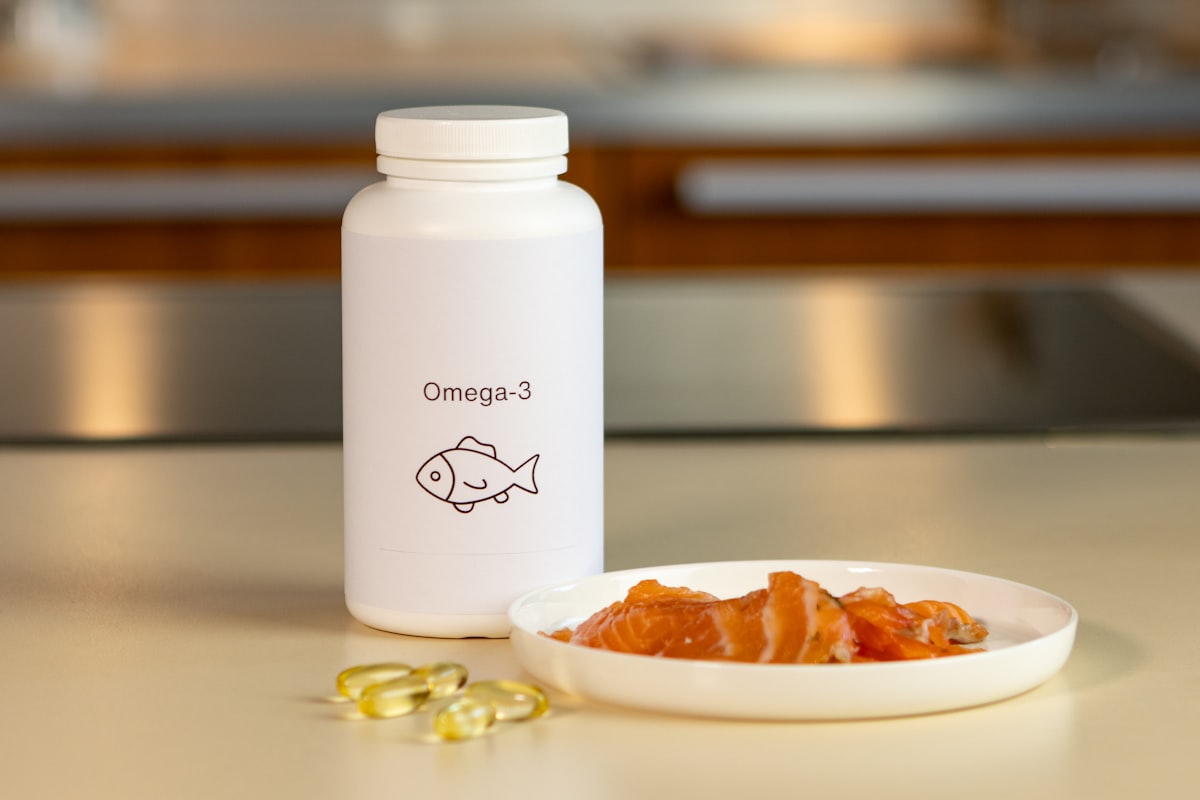
Orange & Yellow Vegetables
Carrots, sweet potatoes, and winter squash are famous for their beta-carotene content, which converts to vitamin A—crucial for rhodopsin formation, night vision, and corneal health throughout all ages.
Beta-Carotene • Vitamin A • Fiber

Nuts & Seeds
Almonds, sunflower seeds, walnuts, and Brazil nuts deliver vitamin E, selenium, and omega-3s. These work together to neutralize free radicals, protect cell membranes, and maintain the structural integrity of eye tissues.
Vitamin E • Selenium • Omega-3 • Zinc
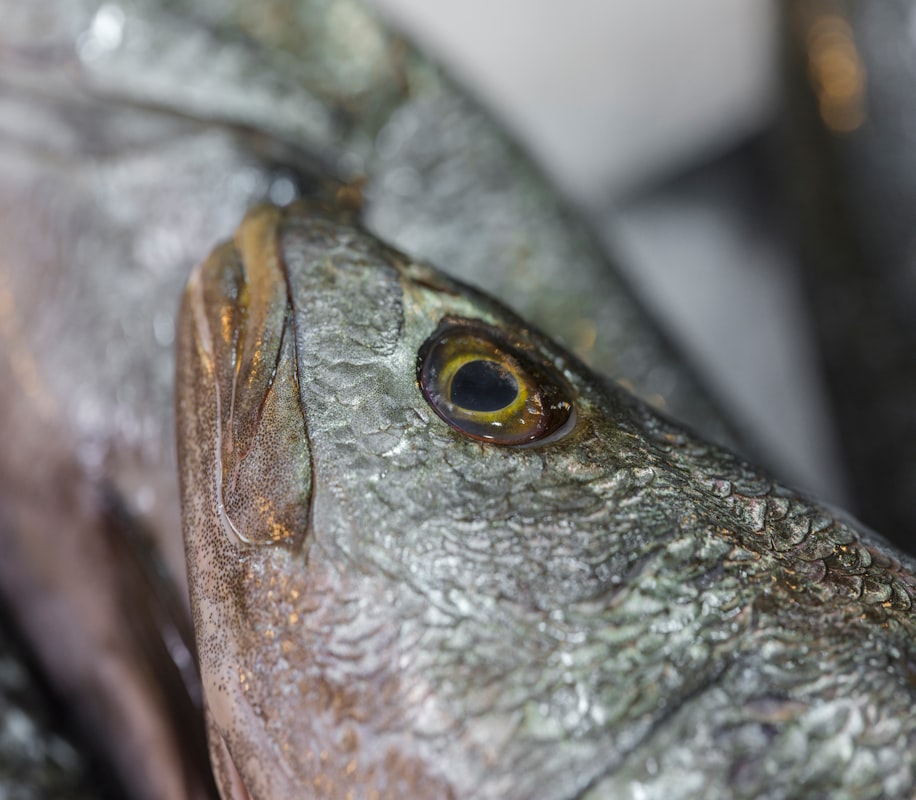
Citrus & Healthy Fats
Oranges, lemons, and avocados provide vitamin C and healthy monounsaturated fats that enhance nutrient absorption and strengthen the lens, reducing oxidative damage and supporting long-term visual acuity.
Vitamin C • Folate • Monounsaturated Fat
Common Eye Nutrition Questions
Get answers to frequently asked questions about nutrients, eye protection, and dietary approaches to vision wellness.
How long does it take for dietary nutrients to improve eye health?
Most nutritional changes show measurable effects within 6-12 weeks, though some benefits may be noticeable sooner. The macula, where lutein and zeaxanthin accumulate, gradually builds concentration over time. For optimal results, consistent nutrient intake is essential—occasional consumption won't provide lasting protection.
Individual variations exist based on baseline nutritional status, age, genetics, and overall health. Younger individuals may see faster adaptation, while older individuals benefit from sustained, long-term commitment to nutrient-rich eating patterns.
Can specific nutrients alone protect my vision, or do I need them all together?
A synergistic approach is most effective. While lutein is important for macula health, it works far better when paired with zeaxanthin, vitamin E, and vitamin C. Omega-3 fatty acids enhance nutrient absorption, zinc activates antioxidant enzymes, and vitamin A supports overall retinal function.
Think of eye protection like a security system—no single component does everything. A diverse, nutrient-rich diet provides overlapping layers of protection, addressing multiple pathways of age-related vision change simultaneously.
How much lutein and zeaxanthin should I consume daily?
Research suggests that 10 milligrams of lutein and 2 milligrams of zeaxanthin daily provide meaningful eye protection. This can be easily achieved through a serving of leafy greens (one cup of cooked kale or spinach contains 10+ mg of lutein) plus other colorful vegetables.
More doesn't necessarily mean better—excessive amounts offer no additional benefit. A balanced approach emphasizing variety across whole food sources is superior to attempting to consume extremely high amounts of single nutrients.
Are there age-specific nutrient needs for eye health?
Eye nutrition is beneficial at all life stages, but priorities shift with age. Children need vitamin A for normal visual development. Adults benefit from broad-spectrum antioxidants to protect against accumulated oxidative damage. Older adults particularly benefit from lutein, zeaxanthin, and zinc, as these directly address age-related vision changes.
However, a foundation of diverse nutrients supports lifelong eye wellness regardless of age. Starting early with nutrient-rich eating patterns creates cumulative protection that extends vision quality throughout all life stages.
Can I get all necessary eye nutrients from whole foods alone?
Yes—a well-planned diet rich in vegetables, fruits, fish, nuts, and seeds provides all essential nutrients for eye protection. The Goklina editorial team emphasizes whole foods as the foundation because they deliver nutrients alongside fiber, phytochemicals, and other compounds that enhance absorption and utilization.
That said, individual circumstances vary. Some people with digestive issues, food restrictions, or specific deficiencies may benefit from targeted nutrient support. Any significant changes to your nutrient approach should be discussed with qualified health professionals who understand your complete health picture.
How do environmental factors like screen time affect nutrient needs?
Extended screen exposure increases blue-light exposure and visual strain, which amplifies oxidative stress in eye tissues. This means individuals with high daily screen time benefit particularly from lutein, zeaxanthin, and anthocyanins—nutrients that filter blue light and reduce photoreceptor damage.
Additionally, screen work reduces blink rate, worsening dry eye symptoms. Omega-3 fatty acids become especially valuable in these situations, as they support tear film quality and ocular surface stability. Environmental stressors don't change core nutrient needs but may increase the importance of specific protective compounds.